“Don’t believe everything you read on the Internet, just because there is a picture with a quote next to it”- Anonymous.
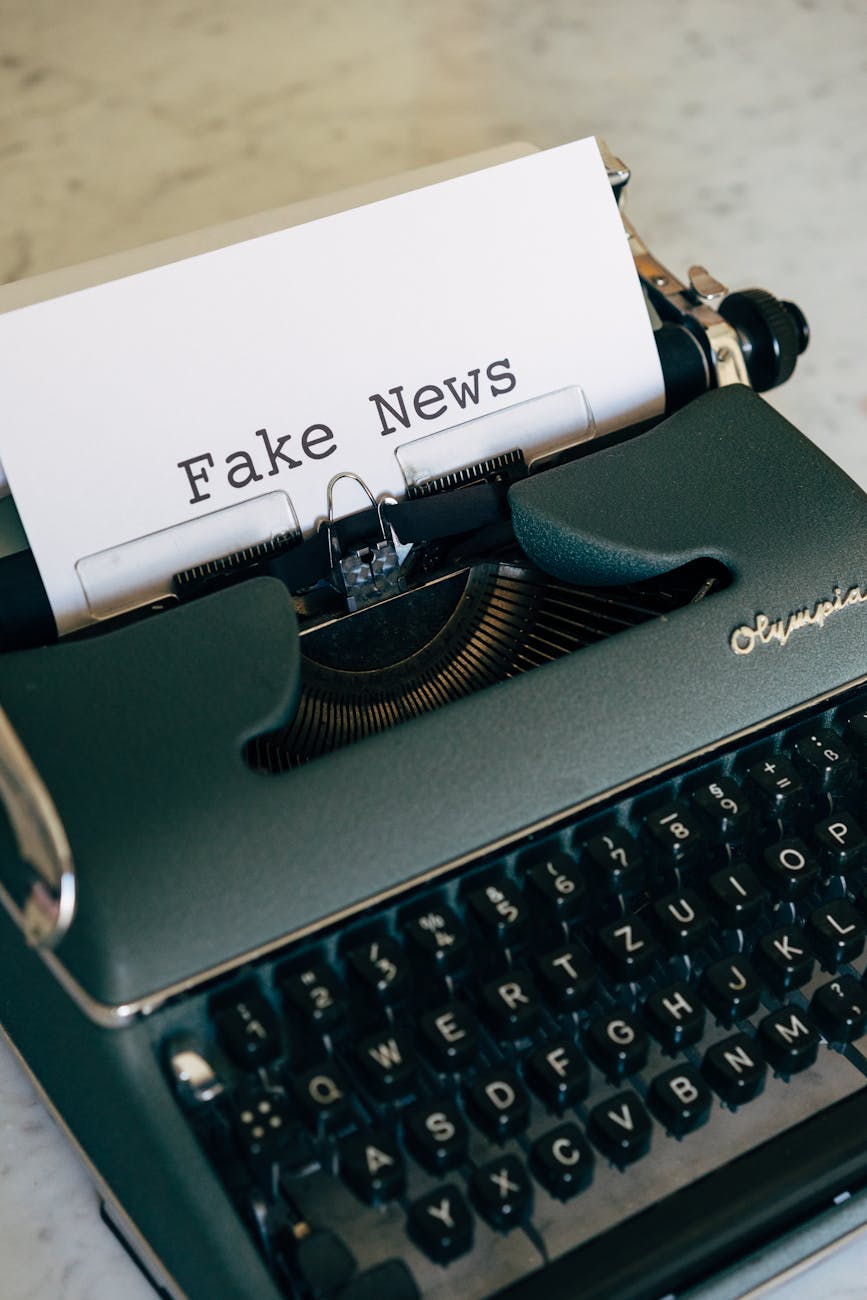
This quote encapsulates what I would like to share with you through this write up. The Internet is a treasure house of knowledge, and a repository of information. But it can also give out false information and misinform the masses. Yes, if there is one problem that internet users face almost ubiquitously, then it must be the fake news. It refuses to go away and takes center stage in day to day news consumption. Fake news has also, in a way, become something that has many political undertones. But by definition, it would be something like this: Fake news is false or misleading information deliberately fabricated and spread—often via social media—to deceive, influence public opinion, generate revenue, or cause harm. People of all ages are vulnerable to this online malady. Sensational clickbait headlines cunningly engineered to deceive, like “Breaking News: Obama refuses to leave the White House after election!”, or “Donald Trump just called the European nations as parasites”, are some of the examples.. The worrying potential of fake news to spread like wild fire is an issue plaguing every nation in the world. As the saying goes, a little knowledge in this case, truly is, a dangerous thing. Half knowledge or Partial knowledge is still ignorance. The attention span of people on the internet is quite small, so they don’t take the time to check whether any given information is true. Even once trusted news agencies like the British Broadcasting Corporation(BBC), because of their bias against Trump have consistently peddled fake information about him. After that they have apologized on more than one occasion, when Trump threatened to sue them.
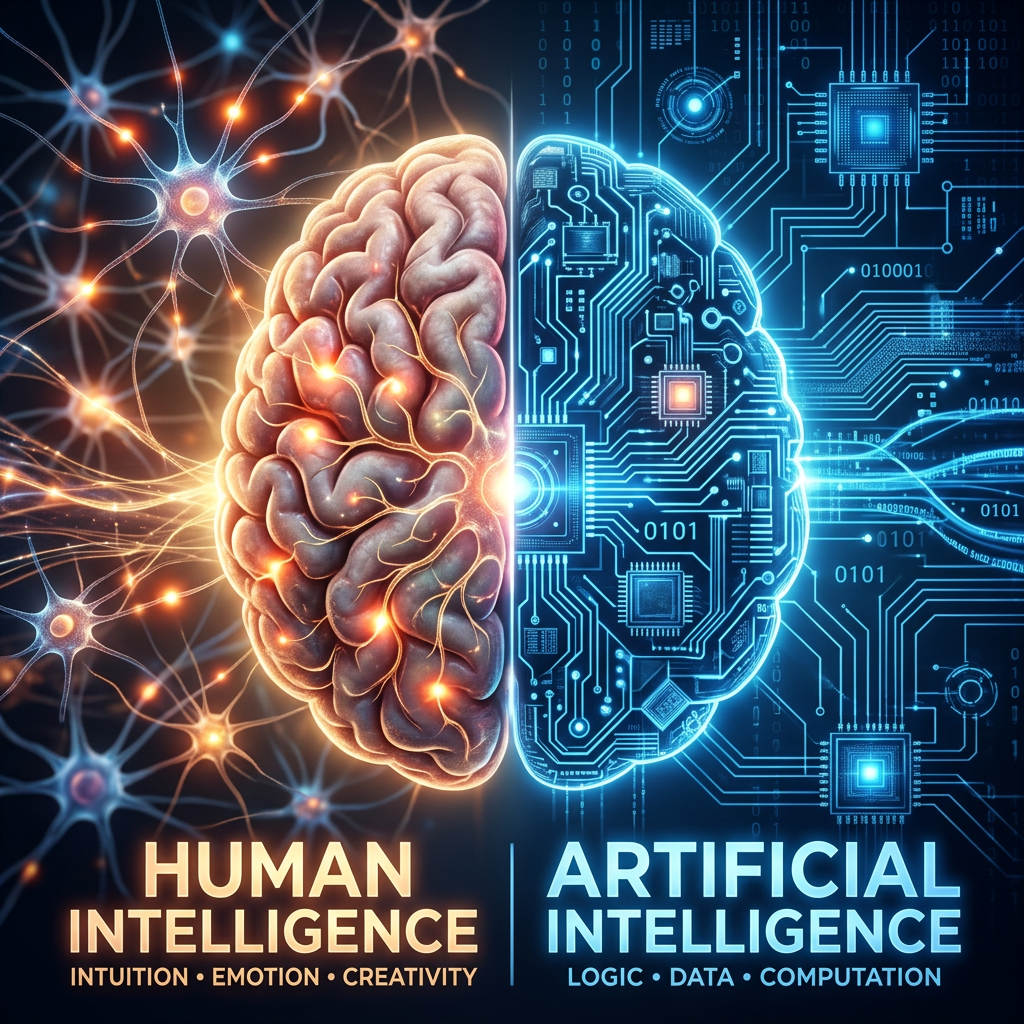
Vigilance needs to practiced. Regular fact checks must be done from reputed fact-checkers. Most of the ‘journalists’ these days don’t just report the news. In fact, many of them instead of reporting it, choose to add their prejudiced opinions along with it. They fabricate stories, and subtly twist the narrative. Some ‘journalists’ are people masquerading as these noble servants. Since these journalists have compromised their integrity, it is imperative that we do the homework, investigate, research and then arrive at a conclusion. No journalist is to be trusted these days, although a few genuine ones still do exist. But most of them have become deceivers or partisan hacks. As unfortunate as it sounds, we have become too accustomed to fake news, that we are unable to discern between fact and fiction. The rise of AI has done us no good in combating fake news, but rather emboldened it, catapulting it to a whole new level. After the advent of AI, sometimes it has almost become impossible figuring out what is true and what is false. This menace is already serious and needs to be nipped in the bud. Before it gets out of control, these anti-social elements, trolls and enemies of freedom must be held accountable. It’s time that someone steps in. I do not know who, but some organization(not the UN definitely) that has earned the good will and trust of people all over the world should do something to stop this menace from spreading!
Or if that doesn’t happen, people must mobilize using smartphones and hold demonstrations against newspaper organisations, media houses, media stations, and create a revolution hitherto unseen. It is not the time to dismiss these things in a complacent manner, but it is the time to hold any media outlet that lies or peddles false information accountable. That accountability will cause them to report real news as it is let us hope.